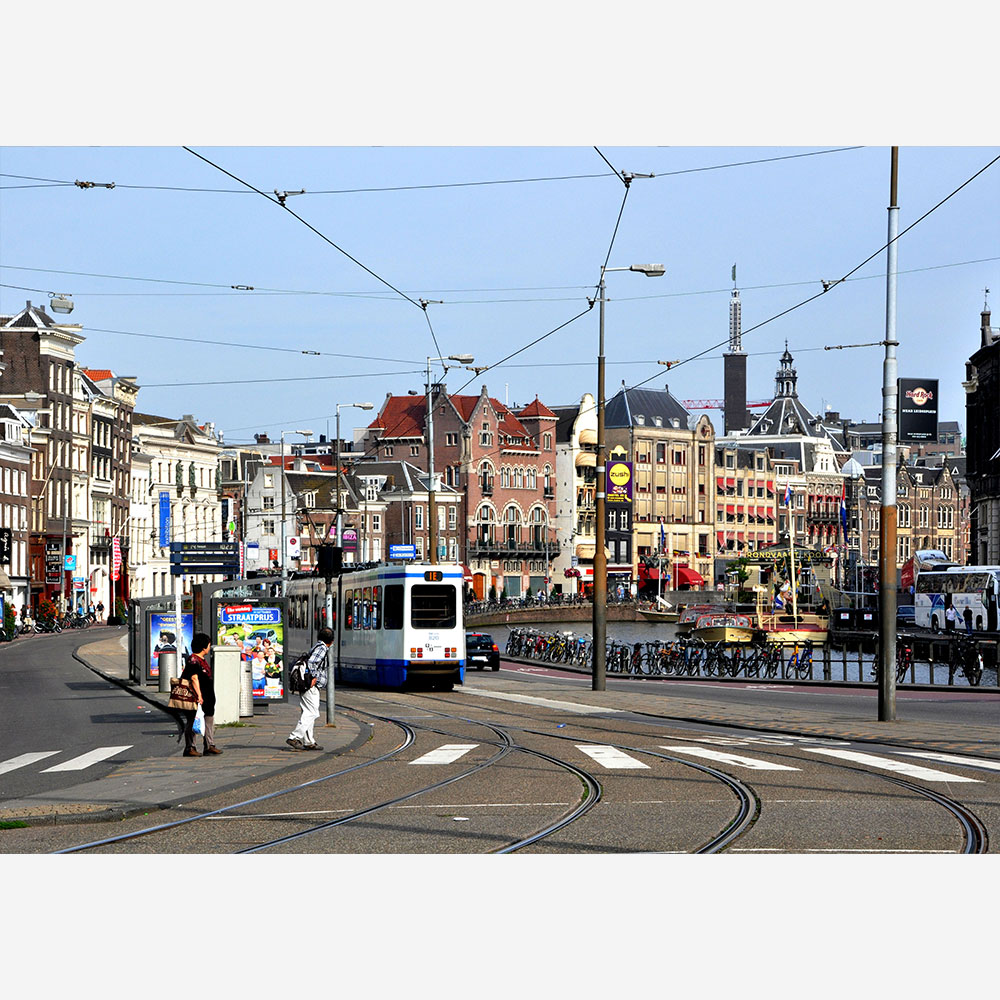
The Story Behind Damrak – The Red Carpet of Amsterdam
When you step out of Amsterdam Centraal Station, your first introduction to the city is almost always Damrak. This bustling avenue serves as the ultimate welcome mat—a literal and metaphorical red carpet that funnels visitors straight into the historic heart of the Dutch capital. Stretching from the station to the iconic Dam Square, Damrak is a chaotic, colourful, and captivating introduction to Amsterdam’s unique blend of historical grandeur and modern energy.
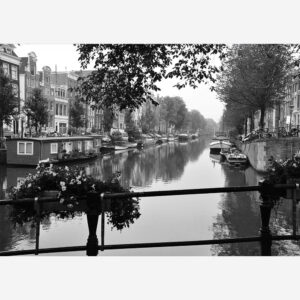
Historically, Damrak was not a wide street, but a harbour. It was originally a section of the Amstel River (“rak” refers to a straight stretch of water) located between a dam and the harbour. In the 19th and 20th centuries, large portions of the water were filled in to accommodate the city’s growing need for land transportation, trams, and pedestrian space. Today, a small canal basin remains on the eastern side of the street, offering one of the most photographed views in the entire city: a row of traditional, narrow, “dancing” merchant houses that appear to rise directly out of the water.
As a primary thoroughfare, Damrak is constantly in motion. A complex web of overhead wires powers the iconic blue-and-white trams that glide effortlessly through the centre of the avenue, steering crowds toward different pockets of the city. Swarms of cyclists zip past, while pedestrians from every corner of the globe fill the wide pavements.
The architecture lining Damrak reflects its historical evolution. On one side, you are treated to classic Dutch facades with decorative gables. On the other, grand buildings like the Beurs van Berlage—the striking, red-brick former stock exchange designed by Hendrik Petrus Berlage—stand as monuments to the city’s financial history. Further down, high-end department stores, souvenir shops, lively cafes, and fast-food eateries jostle for the attention of passing tourists.
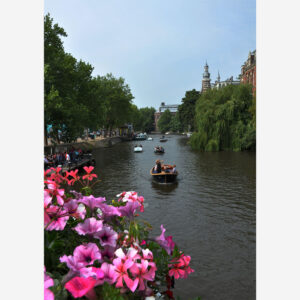
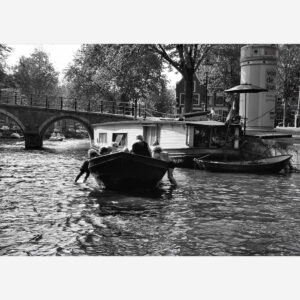
Damrak is also the gateway to Amsterdam’s famous water culture. The canal basin along the avenue serves as a major hub for canal cruise operators. Here, glass-topped boats line the docks, ready to take visitors on a journey through the city’s UNESCO-protected canal ring. Looking out across the water from Damrak, you can see the historic structures of the Old Church (Oude Kerk) poking above the rooftops in the nearby Red Light District.
While some locals look past Damrak as a purely tourist-centric corridor, its historical significance and undeniable energy make it an essential piece of Amsterdam’s identity. It represents the point where the city’s maritime past seamlessly transitions into its vibrant present. Whether you are catching a tram, embarking on a boat tour, or simply walking toward Dam Square, Damrak offers an unforgettable, sensory-rich first impression of life in Amsterdam.