The Story Behind Monet’s Living Masterpiece – The Eternal Splendour of Giverny
Nestled in the Normandy countryside, Claude Monet’s exquisite garden at Giverny seamlessly blends vibrant horticulture with artistic genius, offering a breathtaking look into the landscape that inspired the world’s finest Impressionist art.
The village of Giverny, situated on the right bank of the River Seine in Normandy, holds a legendary status in the art world. For over forty years, this idyllic setting was the home and sanctuary of Claude Monet, the founding father of French Impressionist painting. Attracted by the unique quality of light and the serene rural landscape, Monet settled in the village in 1883, embarking on a lifelong project to transform his property into a living canvas. Today, visitors flock to his meticulously preserved estate to witness the breathtaking relationship between nature and artistic inspiration.
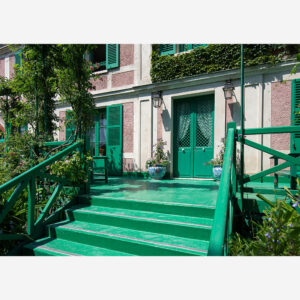
Monet’s estate is divided into two distinct sections that contrast and complement one another beautifully. Directly in front of his charming, pink-washed house lies the Clos Normand, a structured flower garden. Abandoning traditional, orderly French landscaping, Monet mixed common country flowers, such as daisies and poppies, with rarer, exotic varieties. He arranged them by colour and height to create depth, light reflections, and textured shadows. Climbing roses wrap around delicate iron arches, whilst rows of nasturtiums creep along the central path, creating an immersive explosion of colour that changes dramatically with the passing seasons.
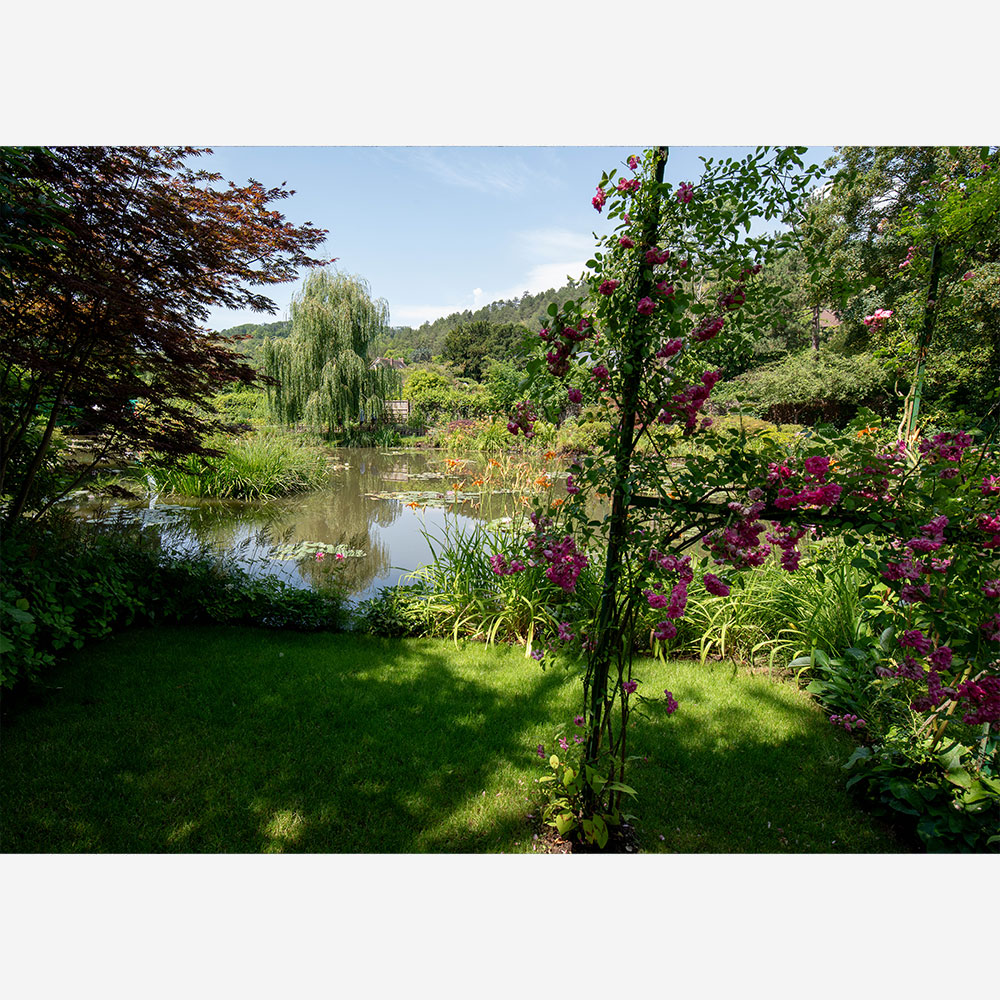
In 1893, Monet purchased an additional plot of marshy land across the railway line, diverting a local stream to create his celebrated water garden. Inspired by the Japanese prints he passionately collected, he designed an asymmetrical, tranquil pond area. He filled it with weeping willows, bamboo, irises, and azaleas, and constructed a classic wooden Japanese footbridge. This bridge, painted a distinct green rather than the traditional red to blend seamlessly with the foliage, quickly became a focal point of his art.
It was here that Monet focused his attention during his final decades, creating his monumental Water Lilies (Nymphéas) series. He became obsessed with capturing the fleeting variations of light, the shifts in weather, and the ever-changing reflections on the water’s surface. Rather than painting traditional landscapes with defined horizons, Monet drew the viewer directly down into the pond, blurring the boundary between reality and abstract reflection. This revolutionary approach completely transformed modern landscape art.
Now managed by the Fondation Claude Monet, the house and gardens have been lovingly restored to mirror the exact atmosphere the artist enjoyed. Walking along the pathways, beneath the shade of the willows and surrounded by the scent of blooming roses, visitors can truly understand Monet’s artistic vision. It is a rare destination where the boundary between an artwork and its source disappears entirely, allowing travellers to step out of the everyday world and straight into an Impressionist masterpiece.